Reconnaisance mission

DSC_5512 Paul

We’ve been lucky enough to secure the services of Paul and Ian to undertake a bird ringing exercise to show the schools’ groups we have coming to the Friday session of the BioBlitz.

It’s such a big site, with so much varied habitat that Paul asked if he could come to the estate, have a bit of a wander around and find a good spot for the ringing session.

The ideal location, Paul told me, is somewhere with relatively low vegetation (like hedges) so that when they put up the catching nets, the birds are more likely to fly into them, rather than over them.

I was a bit worried about these nets – they’re made of black fibres so the birds can’t see them but Paul reassured me they’re soft and they don’t harm the birds at all.  Also, Paul will put them up a little off the beaten track and we’ll make sure there some volunteer marshals around so people walking in the estate don’t accidentally walk into them.

After about 20 minutes walking, we found what might well be the ideal spot.  It’s an area of shrubby and wild growth just off the downland area on Kings Weston Hill.  It’s sheltered, and quiet but it’s close to an area where Paul and Ian can do the ringing demonstration without having to take the spectators too near the nets.

The birds caught will be identified, measured and their general state of health noted and the data will be added to a bird ringing database as well as our BioBlitz database. The ringing data is very important in helping naturalists identify the state of bird populations, where birds travel and how long they live.  All of these things can help us protect species.

Whilst we were walking we heard chiff-chaffs, wrens, robins and plenty of great tits and blue tits.  Paul was also convinced he’d heard something a bit rarer and was hoping to hear it again.

Roll on 3rd May!

Paperwork

It’s really important to us that we run a high-quality event that people can enjoy safely.  As the BioBlitz is taking place on land owned by Bristol City Council, we have to make sure they’re happy with our plans.

As a result, we have long application form to fill out and lots of things to think about – from toilet provision, to catering, to health and safety and first aid, we have to make sure we cover everything.

The great thing about the Council’s website is the event-planning toolkit that makes sure we have guidance for just about everything we need.

The form looks quite intimidating but, working through it methodically, it leads you through all the things you need to think about to make sure the event is well organized and safe to attend.

Even better, a member of the “Events Licensing” team made time for me today to chat through my half-completed form, point out where we needed to do a bit more work and gave me some guidance about first aid and things like that.  Excellent service indeed.

We’ve got some more work to do, but I’m feeling a lot more confident about this key piece of work now.

Money, money, money

So, these last few days and weeks have involved a lot of work on our budget.  We have a finite amount of grant funding available from our award from the Heritage Lottery Fund, All Our Stories programme and we need to use it wisely.

We’ve been immensely lucky because the owner of Kings Weston House, Norman, has very generously offered us the use of some rooms in the house to be our base camp.  This means we’ll have somewhere safe and weatherproof to keep ourselves and our equipment during the BioBlitz. The role of volunteers and kind people like Norman is central to all our work in the park and has been especially welcome for the BioBlitz.

We’re working with BNHC and they have some money available to contribute towards the event but there’s still a lot of juggling to do.

Here are just some of the costs that KWAG and BNHC are covering

  • An accessible toilet so that anyone who has mobility difficulties has a loo to use without difficulty
  • Catering for the volunteers to thank them for the time they’re so generous with
  • Printing of signs, data sheets for information gathering and a booklet with information about the site and the house
  • License to Bristol City Council in order to use the estate for our event
  • First aid cover
  • Some of the project management time

In addition we’re also getting help from University of the West of England to have a staffed and equipped field lab on site; from Wildscreen to help us document the event in film and pictures and other people and organizations too…


A plan coming together

DSC_3711 Toadstools

Ever wondered how we make sure that everthing that needs to get done actually gets done and that different people aren’t trying to complete the same bits of work?

The title “Project Manager” sounds pretty grand but it’s the job of the Project Manager (or in the case of this project…the Project Managers) to keep a good eye on things and make sure that all the jobs that need doing are allocated to people and that we all know when we’re supposed to do things by.

This isn’t the sort of information you can easily keep in your head so we all find ways to write it down in a meaningful way so we can share it amongst the project team so everyone knows what’s what.  If we were building an office building, we’d do something similar but it would be a very complicated list.

For us, a simple list is more than sufficient and we’ll update as progress happens.

This is the list as it looks at the moment

Bioblitz checklist0301

Certainly seems like there’s a lot to do.


Citizen science for local schools

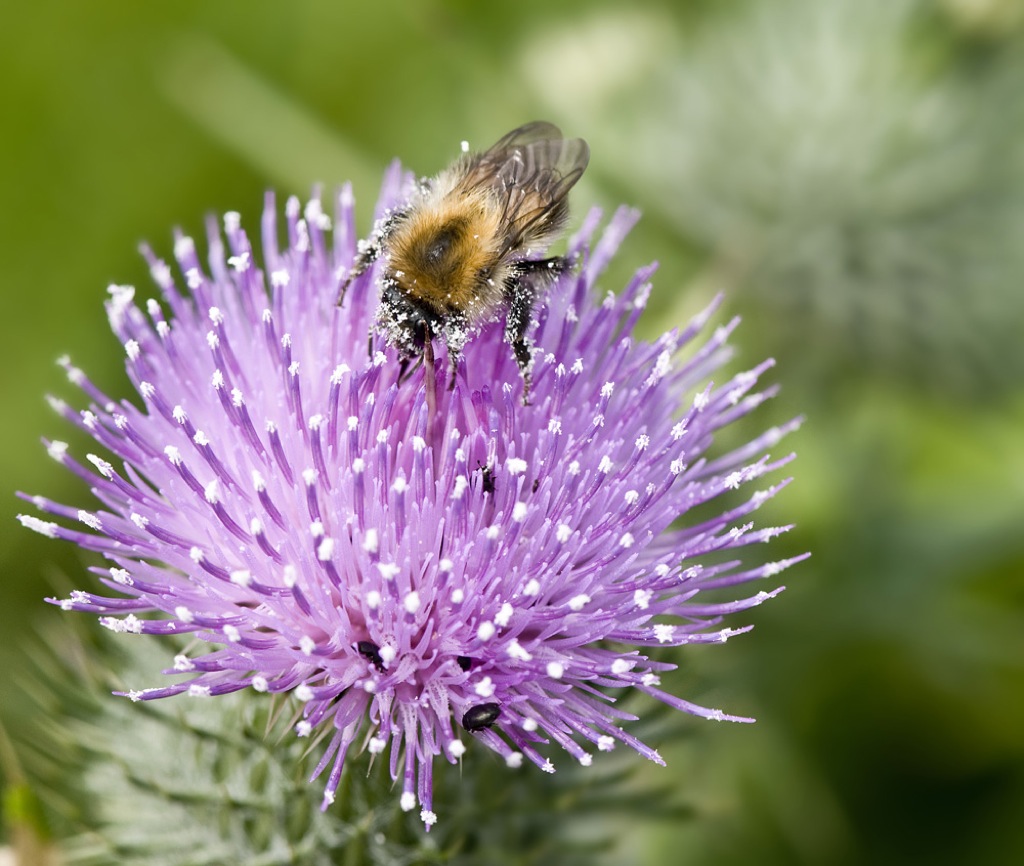
DSC_6967 Bee

A key part of the Bioblitz is the first part of day one when we involve local schools in identifying wildlife at the site.  It’s important to us that local pupils visit so they get an opportunity to make the most of their nearby green spaces.

It’s well known that people with access to good quality green spaces have better mental and physical health and by having an opportunity to be involved in such a big science project, we hope to encourage the next generation of scientists.

So this month we’ve been starting to make contact with some local schools to secure their involvement in the project.  Early indications are encouraging, but we need to keep in contact to ensure we get the right number of people joining in on the day.

Long in the Planning

Sitevist2 Sitevist1

Well here we are, it’s the middle of January and it’s about three and a half months until the day of the Bioblitz.

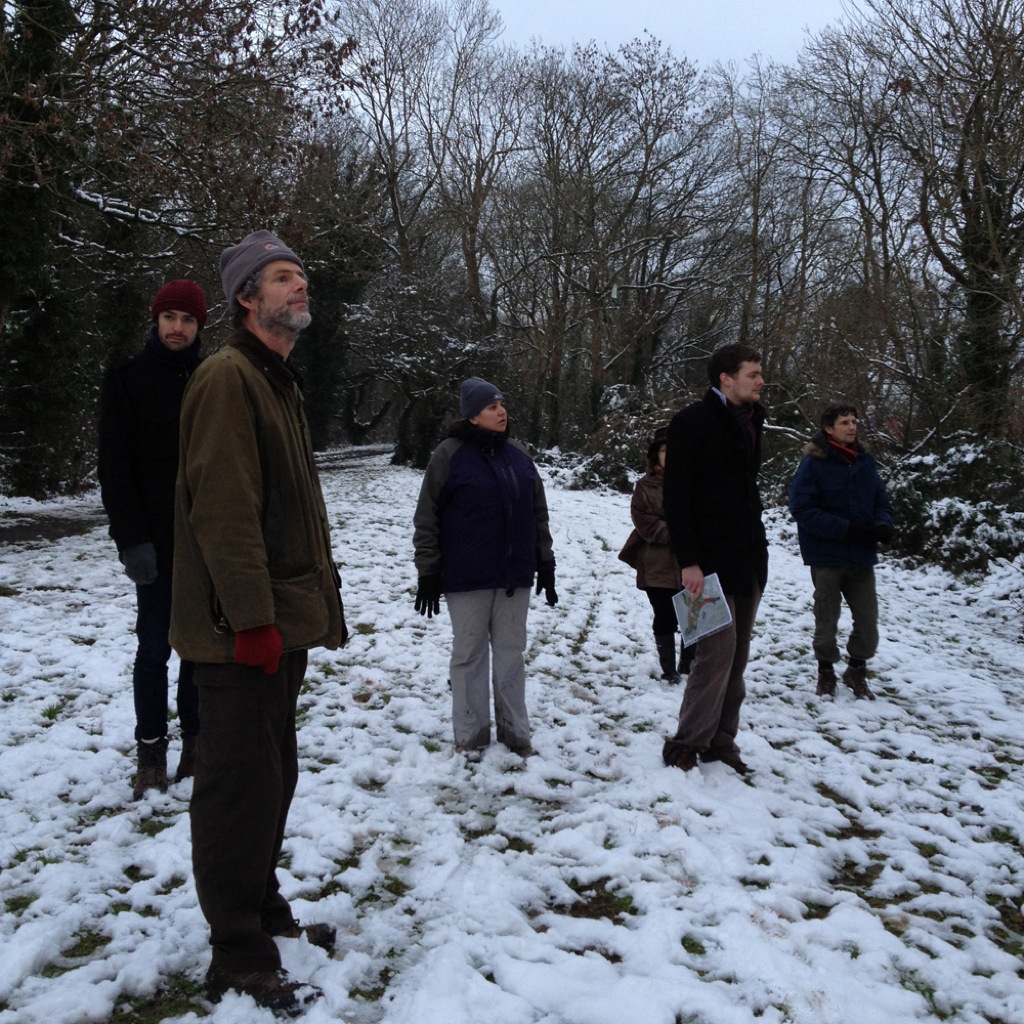
Organizing an event like this takes more than an afternoon so, despite the recent bad weather, the day sees the main organisers:  Dave and Jules from KWAG, Ben, Matt and Savita from BNHC, Liz from EV, Bill from the National Trust and Michael from English Heritage, stomping around the whole site to work out where activities will be carried out.

We all walked about three miles around the estate, slipping down snowy hills, climbing over stiles and then encountering fallen trees in the woods but at the end of it we all had a better idea of how the BioBlitz would work on site.

Now for the detailed planning.

Welcome

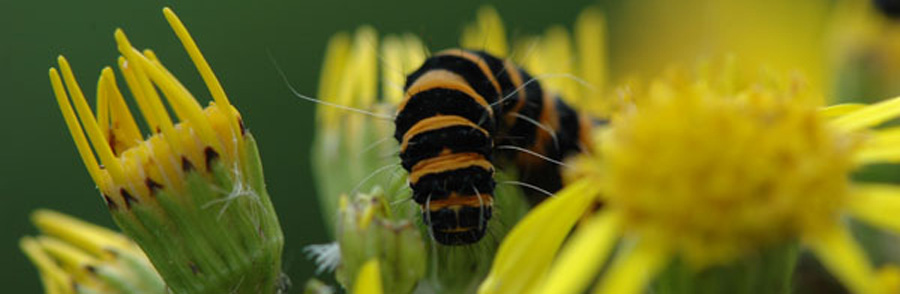
DSC_9356 Cinnabar Caterpillar

Welcome to our blog.

Since November 2012, Kings Weston Action Group (KWAG) have been beavering away, with the help of the Bristol Natural History Consortium (BNHC) and ExtraVerte Community Projects CIC (EV) to organize a BioBlitz at Kings Weston Estate.

What’s a BioBlitz?

A BioBlitz is a way to pull in the massed effort of professional naturalists, schools and members of the public to investigate and catalogue all the species of flora and fauna in an area.

Why do this at Kings Weston Estate?

Because the Estate was a formal, planned landscape but fell into disuse over the years.  We want to find out what remains of planned landscape and how it has influenced the ecology of the remaining parkland.